
Climate Expo 26: Conversations, connections and what comes next
Climate Expo 26 returned to Uttoxeter Racecourse with a clear purpose: to create space for useful conversations about the environmental challenges facing organisations, communities and places across the Midlands.
Across the exhibition hall, speaker sessions and workshops, businesses, public bodies, universities, charities and community organisations met to exchange ideas, challenge assumptions and, importantly, talk about what happens next.
Now in its fifth year, Climate Expo has never been intended as a day simply to talk about the scale of the environmental challenges we face. The emphasis is increasingly on what organisations can do about them, practically, collaboratively and within the realities of everyday working life.
From resilience to green skills
This year’s programme reflected that.
Discussions ranged from how organisations prepare for extreme weather and a changing climate, to the skills and people needed for a greener economy, the future of our waters, credible sustainability communications and ways of engaging employees in climate action.
There were no easy answers. Nor should there be.
Instead, the conversations repeatedly returned to preparedness, collaboration and making sustainability part of normal organisational decision-making, rather than something sitting separately from it.
Across the panels, themes included how organisations can become more resilient to climate impacts, how the workforce and skills base must evolve, and how pressures on our waterways demand joined-up thinking across sectors and communities.
Making connections
But some of the most important conversations at Climate Expo inevitably happened away from the stage.
Throughout the day, the exhibition hall provided space for people to discover new organisations, share experiences and find potential collaborators.
That is a large part of why the event exists.
None of the challenges discussed at Climate Expo can be tackled by one organisation, one sector or one profession alone. Creating the space for people who might not otherwise meet to have those conversations is every bit as important as what appears on the programme.
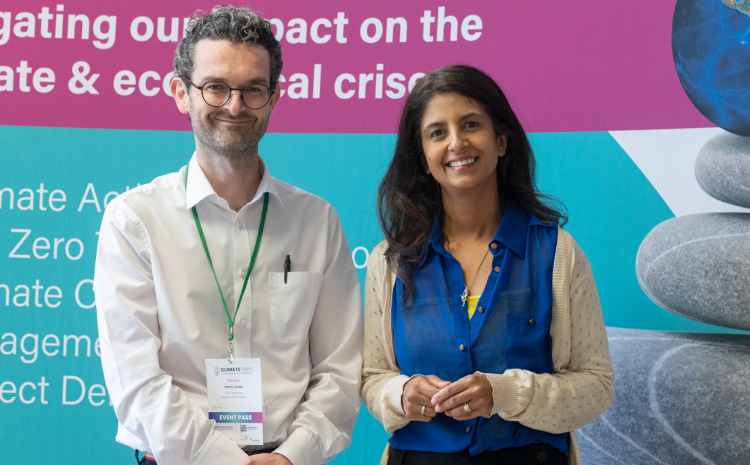
The day closed with broadcaster and author Konnie Huq in conversation with Support Staffordshire Chief Executive Garry Jones, reflecting on climate, consumerism and how we engage people with an issue that can too easily feel distant from everyday life.
It was a fitting end to a day which repeatedly brought the bigger picture back to decisions made in workplaces, communities and organisations every day.
What happens next?
A successful Climate Expo should not finish when the stands come down.
The real value is in what happens afterwards: the conversations continued, the introductions followed up, the ideas tested and the changes, large and small, that organisations take back into their own work.
Thank you to everyone who joined us at Climate Expo 26, and to our speakers, workshop leaders, exhibitors, sponsors, partners and event team who made the day possible.
The photographs tell some of the story. What happens next is down to all of us.